NatureScot Research Report 1361 - SPANS Scotland’s People and Nature Survey 2023/24 - connection to nature
Published: 2025
Authors: Duncan Stewart and Jim Eccleston (56 Degree Insight)
Cite as: Stewart, D. and Eccleston, J. 2025. SPANS Scotland’s People and Nature Survey 2023/24 - connection to nature. NatureScot Research Report 1361.
What is SPANS?
Scotland’s People and Nature Survey (SPANS) is a large-scale population survey that provides detailed data on how adults in Scotland use, value and enjoy the outdoors and connect with nature. SPANS data allow NatureScot to monitor key trends over the long-term and produce statistically robust insights.
The core research objectives for SPANS are to deliver robust quantitative evidence in relation to the following key areas:
- Visits to the outdoors for leisure and recreation;
- Recreational use of, and attitudes towards, urban greenspace;
- Connection to nature;
- Benefits of engagement with the natural environment;
- Environmental attitudes and behaviours.
SPANS 2023-24 covered a 12-month period from March 2023 to February 2024. The 2023-24 survey followed on from previous waves of SPANS which ran on a triennial basis between 2012 and 2019.
Nature connection report
This report provides results relating to engagement with nature including findings at the overall population level and statistically significant variations between different population groups (for example, comparisons by age or gender).
A headline report and a suite of other reports focused on specific areas of interest have also been produced using the data from SPANS 2023-24:
- Headline report
- Outdoor recreation
- Health and wellbeing
- Connection to nature
- Equality and diversity
- Technical report
- Data downloads
Survey method
SPANS 2023-2024 used an online survey approach to provide robust coverage of the Scottish adult population aged 16 and over. To compile the data, twelve monthly survey waves were undertaken, with at least 1,000 survey completions per month, between March 2023 and February 2024.
Fieldwork was undertaken using the Prodege online consumer panel. Panel members go through a robust quality control process before they can join the panel and are then invited to take part in surveys in return for reward points.
Each month a sub-set of the Scottish panel was invited to take part in SPANS, targeted on the basis of their demographics and place of residence. Sampling quotas were used to produce a representative distribution across gender, age, social grade and place of residence.
A modular approach was used in the questionnaire design to ensure coverage of a wide range of topics of interest over the 12 survey waves. As such, while certain questions were included in every monthly wave, others were asked every other month, quarterly, or less often.
Further details on the survey methods used are provided in the SPANS technical report.
Comparability with previous surveys
The online survey approach taken in the 2023/24 survey differs from that used in previous waves of SPANS when a face-to-face interviewing method was employed. This change in method was made for several reasons including future proofing the survey against declining response rates and rising costs of in-person surveying.
There can be small differences in the way people answer survey questions online as opposed to in-person. Variations in results between SPANS 2023/24 and previous waves (even when the wording of questions is kept consistent) may partly be the result of methodological changes as well as changes in attitudes or behaviour at a population level. As a result, caution should be exercised when making comparisons with past SPANS results, and figures from this this should not be considered part of a continuous time series. SPANS 2023/24 forms a new baseline for comparisons with subsequent survey waves.
Further details on the potential impacts of these changes are provided in the SPANS technical report.
Participation in nature-based activities
Most people in Scotland take part in activities that can bring them closer to nature
Survey participants were asked whether they had taken part in any of the activities listed in Figure 1 below during the previous 12 months.
The vast majority of the population (93%) had taken part in one or more of these activities with the largest percentages enjoying time in a garden (69%), choosing to walk, wheel or cycle through local greenspaces on their way to other places (58%) or gardening (47%). The proportion sitting in a garden and/or gardening increased to 72% and 51% respectively amongst those with access to their own private garden or open space.
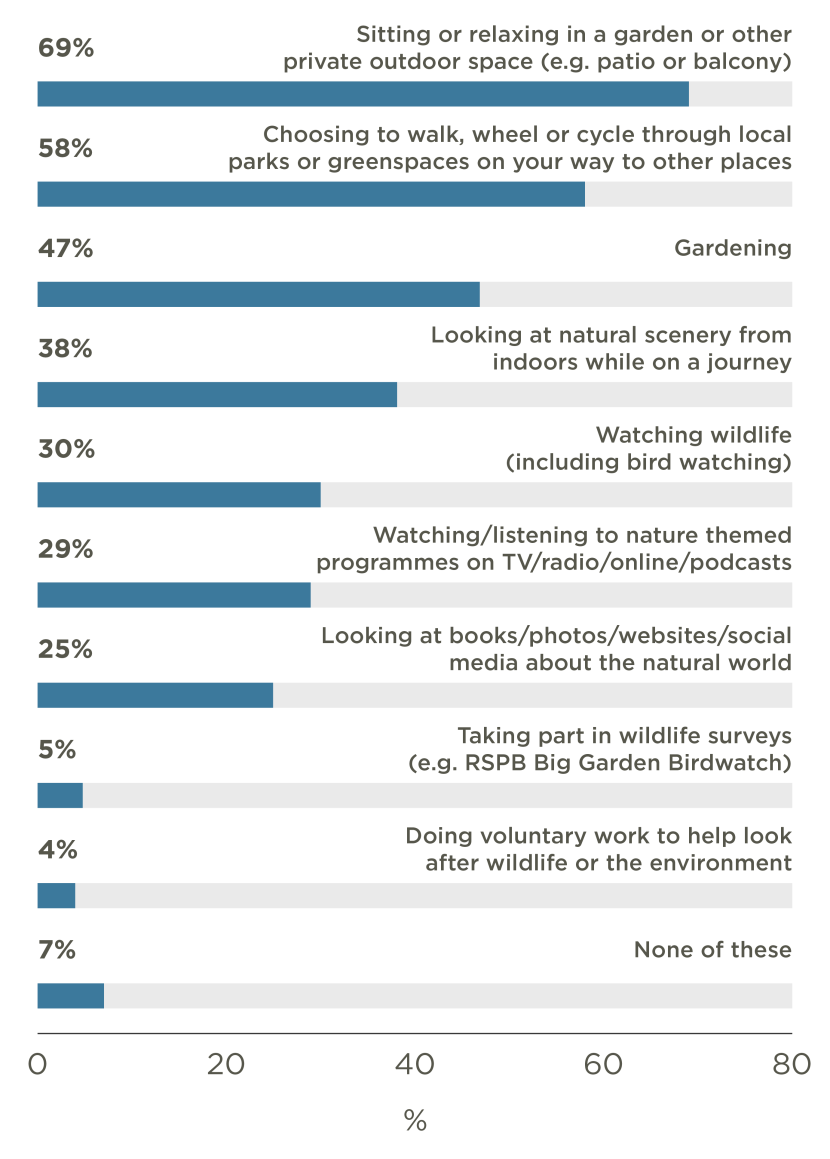
Figure 1. Activities involving the natural environment undertaken in the last 12 months
Click for a full description
ENVIR1. Which of the following activities involving the natural environment have you taken part in during the last 12 months?
Base: All respondents surveyed in July 2023 (n=1,005). Demographic weight applied.
Note: Respondents could select more than one reason so the sum of percentages is more than 100%
Bar chart illustrating percentages of the population taking part in activities involving the natural environment in the last 12 months.
The bars are oriented horizontally with answer categories on the y axis.
Activities are ranked from that undertaken by the largest percentage of the population (sitting or relaxing in garden at 69%) to that undertaken by the smallest percentage (voluntary work at 4%).
The data are summarised in the following table:
| Activity | Percentage of population |
|---|---|
| Sitting or relaxing in a garden or other private outdoor space (e.g. patio or balcony) | 69% |
| Choosing to walk, wheel or cycle through local parks or greenspaces on your way to other places | 58% |
| Gardening | 47% |
| Looking at natural scenery from indoors while on a journey | 38% |
| Watching wildlife (including bird watching) | 30% |
| Watching/listening to nature themed programmes on TV/radio/ online/ podcasts | 29% |
| Looking at books/photos/websites/social-media about the natural world | 25% |
| None of these | 7% |
| Taking part in wildlife surveys (e.g. RSPB Big Garden Birdwatch) | 5% |
| Doing voluntary work to help look after wildlife or the environment | 4% |
Overall, respondents had undertaken an average of 3.1 of the activities listed in Figure 1 during the previous 12 months but the average number of activities undertaken was higher amongst the following groups:
- Those who reported having very good health (3.3 versus 2.9 with fair or bad health);
- Those with highest levels of mental health (3.4 when in highest 15% SWEMWBS band versus 2.6 when in lowest 15% SWEMWBS);
- Those with white ethnicity (3.1 versus 2.6 amongst ethnic minorities);
- Residents of the 10% least deprived areas (3.5 versus 2.5 in the most deprived areas);
- Those recording the highest nature connection index (NCI) score (3.7 amongst those in top two NCI quartiles versus 2.2 amongst those in lowest quartile).
In addition to participating in these activities during the previous year the majority had taken part in the following activities during the month prior to being interviewed.
- Enjoying nature or wildlife while outdoors in their local area (average 65% overall over the year) – participation was relatively consistent throughout the year, ranging from 61% in February to 68% in August. Levels were higher amongst those self-classifying as having good or very good health (71% versus 55% with fair or bad health), those with white ethnicity (66% versus 59% members of ethnic minorities) and those classifying themselves as financially comfortable (70%).
- Enjoying nature or wildlife from indoors (average 53% overall over the year) – participation was relatively high throughout the year, ranging from 50% in February to 56% in April. Levels were higher amongst women than men (56% versus 50%) and amongst those classifying themselves as financially comfortable (55%).
Gardens provide many people in Scotland with a place to enjoy and take action to protect nature
As described above, one of the more popular ways to enjoy nature is gardening. Overall, 89% of the Scottish adult population have access to some sort of private garden or another private outdoor space such as a balcony or allotment.
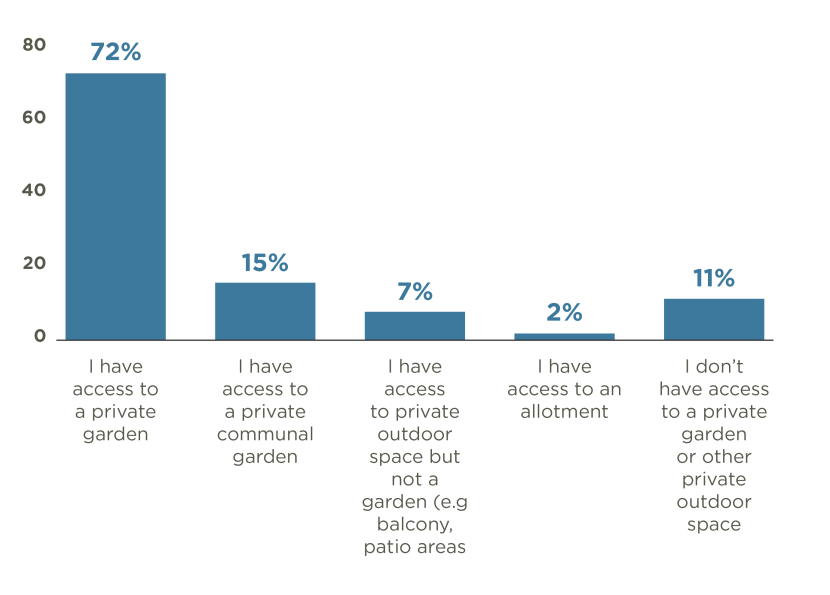
Figure 2. Access to a garden or other private outdoor space
Click for a full description
CLASSIF10: Which of the following best applies to you?
Base: All respondents (n=12,012). Demographic weight applied.
Note: Multiple coding was possible for this question so the sum of percentages is more than 100%
Bar chart illustrating percentages of population with access to different types of garden and private outdoor spaces.
Bars are orientated vertically with types of place on the x axis.
The data are summarised in the following table:
| Type of outdoor space | Percentage of population |
|---|---|
| I have access to a private garden | 72% |
| I have access to a private communal garden | 15% |
| I have access to private outdoor space but not a garden (e.g. balcony, patio area) | 7% |
| I have access to an allotment | 2% |
| I don't have access to a private garden or other private outdoor space | 11% |
However, the percentages with access to a garden or other private outdoor green space are not equal across the population. As shown in Table 1 younger people, residents of urban areas, residents of the most deprived areas, people struggling financially, people with poor health and, most notably, members of minority ethnic groups and those renting their home were less likely to have access to a garden or other private outdoor space.
It is notable that a number of these groups (i.e. residents of most deprived areas, those struggling financially and those with poor health) were also less likely to be satisfied with the quality of greenspaces in their local area (see Figure 13 in the SPANS outdoor recreation report).
| - | % |
|---|---|
| Total population | 89% |
| Aged 16-34 | 83% |
| Aged 35-54 | 89% |
| Aged 55+ | 93% |
| Live in 10% least deprived areas | 93% |
| Live in 10% most deprived areas | 80% |
| Live in urban area | 87% |
| Live in small town | 94% |
| Live in rural area | 97% |
| Very comfortable financially | 94% |
| Relatively comfortable financially | 93% |
| No money for luxuries, can cover essentials | 89% |
| Can only just/ cannot afford costs | 82% |
| Very good health | 90% |
| Good or fair health | 89% |
| Bad or very bad health | 84% |
| White | 90% |
| Minority ethnic group | 73% |
| Own home or buying with a mortgage | 94% |
| Social renter | 79% |
| Private renter | 74% |
On average across the year, around half of those with a garden (52%) had enjoyed nature or wildlife in their garden during the previous month with this level ranging from 41% in February to 59% in June and August.
Over the year 51% of those with a garden had sat and relaxed in their garden in the previous month - this activity varied much more by season from just 24% in February to 74% in June and August.
Gardens also provide crucial opportunities for people to make space for nature, reverse nature loss and fight climate change. Those people who had access to a garden or other outdoor space were asked whether they had undertaken any of the list of pro-nature actions shown in Figure 3 at home during the last 12 months.
Overall, 81% had undertaken one or more of these actions with the largest percentages providing food or water for wild animals (45%), avoiding using insecticides or weed killer (36%) or planting/ maintaining pollinator friendly plants (33%).
Participation in these activities was highest amongst those aged 55+ (88% versus 74% aged 16-34), amongst those who owned their home (85% versus 74% who were renting) and amongst those with the highest Nature Connection Index scores (86% amongst those with top and second quartile NCI vs 70% amongst those with lowest quartile NCI).
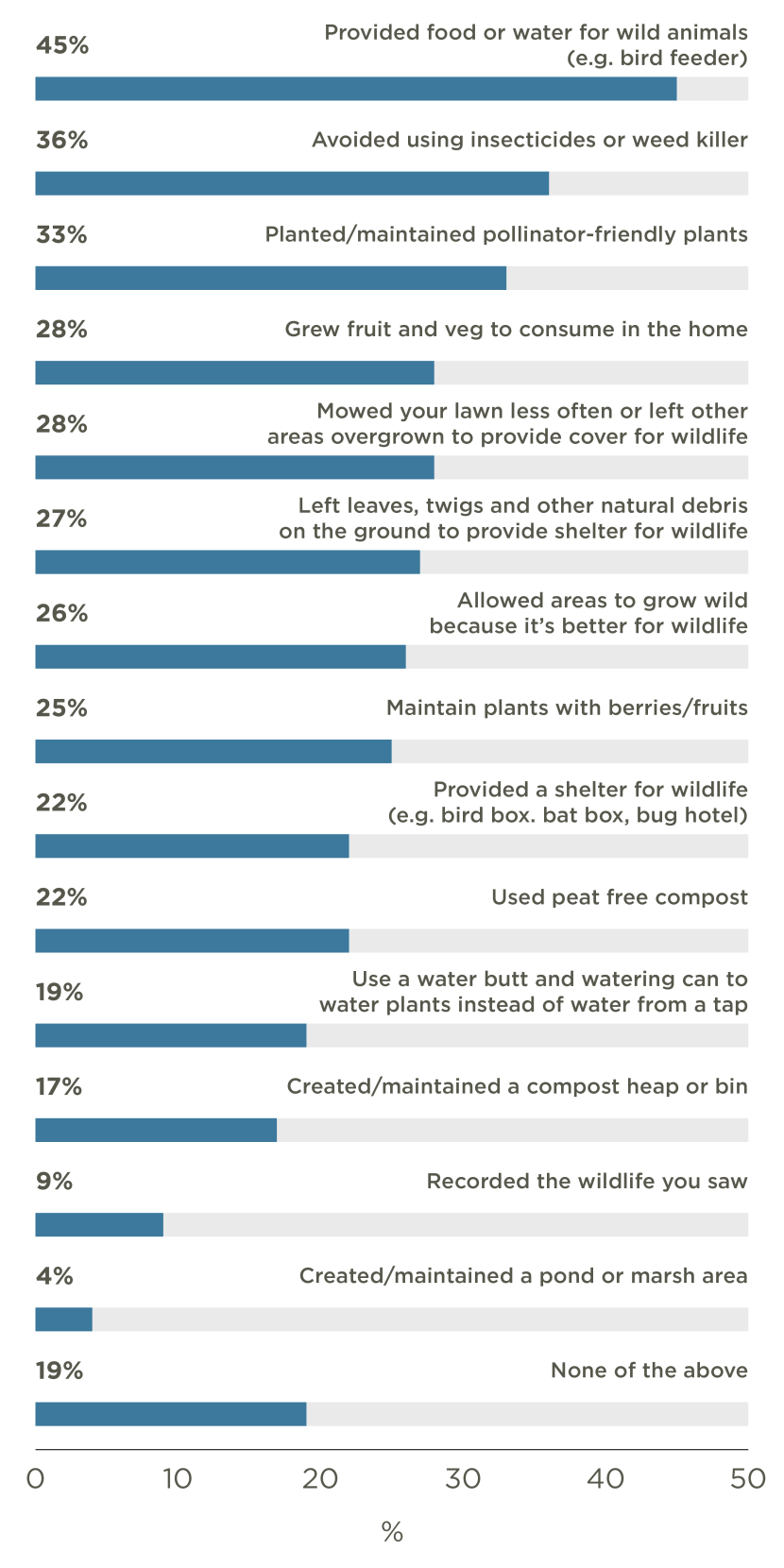
Figure 3. Nature based activities undertaken in the last month
Click for a full description
ENVIR3. In the garden/other private outdoor area you have access to, have you done any of the following during the last 12 months?
Base: Respondents with access to private garden or other outdoor space surveyed in July 2023 or February 2024 (n=896). Demographic weight applied.
Note: Respondents could select more than one reasons so sum of percentages is more than 100%
Bar chart illustrating percentages of population taking part in a series of garden related activities during the previous month.
Bars are orientated horizontally with activities on the y axis. One series of bars shows percentages of people with access to a garden/other private space participating and one series shows percentages amongst those with no access.
The data are summarised in the following table:
| Activity | % of people with access to a garden/ private space | % of people with no access to a garden/ private space |
|---|---|---|
| Gardening, sowing seeds, growing flowers or vegetables or planting trees | 38% | 9% |
| Sitting or relaxing in a garden or other outdoor space attached to my home | 51% | 17% |
| Enjoying nature or wildlife in a garden or other outdoor space attached to my home | 52% | 18% |
Overall, respondents with access to a garden or other private outdoor space had undertaken an average of 3.3 of the activities listed in Figure 3 during the previous 12 months but this level was higher amongst the following groups:
- People aged 55 or over (4.0 versus 2.7 amongst those aged under 35)
- Those with the highest levels of mental health (4.0 when in highest 15% SWEMWBS versus 2.6 when in lowest 15% SWEMWBS)
- Those with highest Nature Connection Index scores (4.2 amongst those in top two NCI quartiles versus 2.2 amongst those in lowest quartile).
Nature connection through outdoor recreation
Outdoor recreation and access to local greenspaces provide opportunities to feel close to nature
91% of SPANS respondents had taken a visit to the outdoors, somewhere beyond their home, during the previous month. This percentage varied to some extent by season, highest in July at 95% and lowest in December at 84%.
These participants were asked to what extent they agreed that their most recent outdoor recreation visit had helped them to feel closer to nature.
As shown in Figure 4, participants felt closer to nature in four-fifths of visits (80%) with 43% strongly agreeing that this was the case.
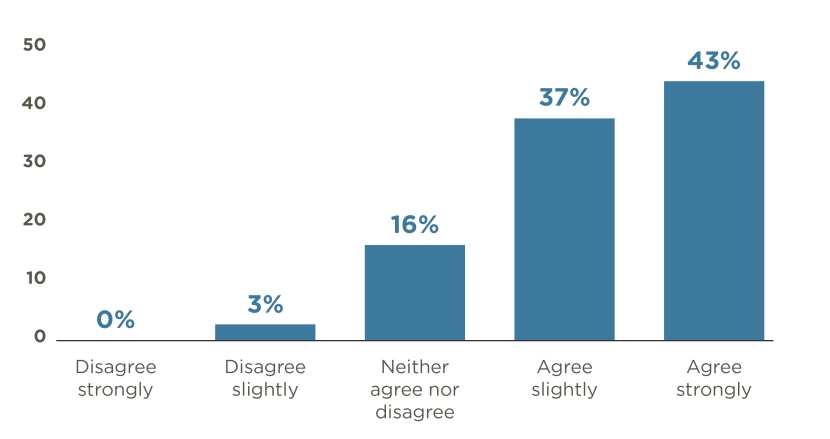
Figure 4. Pro-nature actions undertaken in garden during last 12 months
Click for a full description
REC 10. How much do you agree or disagree with the following:
Base: Respondents taking visits surveyed in May or November 2023 (n=1,711). Demographic weight applied
Bar chart illustrating percentages of the population taking part in a list of pro-nature actions in the last 12 months.
The bars are oriented horizontally with answer categories on the y axis.
Actions are ranked from that undertaken by the largest percentage of the population (provided food or water for wild animals at 45%) to that undertaken by the smallest percentage (created/ maintained a pond or marsh area at 4%).
The data are summarised in the following table:
| Activity | Percentage of population |
|---|---|
| Provided food or water for wild animals (e.g. bird feeder) | 45% |
| Avoided using insecticides or weed killer | 36% |
| Planted / maintained pollinator-friendly plants | 33% |
| Mowed your lawn less often or left other areas overgrown to provide cover for wildlife | 28% |
| Grew fruit and veg to consume in the home | 28% |
| Left leaves, twigs and other natural debris on the ground to provide shelter for wildlife | 27% |
| Allowed areas to grow wild because it's better for wildlife | 26% |
| Maintain plants with berries/fruits | 25% |
| Used peat free compost | 22% |
| Provided a shelter for wildlife (e.g. bird box, bat box, bug hotel) | 22% |
| Use a water butt and watering can to water plants instead of water from a tap | 19% |
| Created/ maintained a compost heap or bin | 17% |
| Recorded the wildlife you saw | 9% |
| Created/ maintained a pond or marsh area | 4% |
| None of the above | 19% |
While overall 43% agreed strongly that their visit made them feel closer to nature, as shown in Table 2 this percentage was somewhat higher in visits which included camping, wildlife watching, cycling, outdoor photography or fishing.
| - | % |
|---|---|
| All visits | 43% |
| Camping | 69% |
| Wildlife watching | 64% |
| Cycling/ mountain biking | 55% |
| Outdoor photography | 52% |
| Fishing | 52% |
| Picnicking | 48% |
| Sightseeing/ visiting attractions | 48% |
| Water sports | 48% |
| Walking | 43% |
| Running/jogging | 42% |
The percentage of visits where participants strongly agreed that they felt closer to nature was also higher when motivations included seeking peace and quiet (54%) or taking part in a hobby (55%) and/or when the visit included time spent in a National Park (57%).
As shown in Figure 5, with most of the population visiting the outdoors for recreation on a regular basis (61% do so frequently i.e. at least once a week), including regular visits to, or passing through, local greenspaces (70% do so at least once a week), outdoor recreation and visits to local green spaces clearly contributes towards an individual’s feelings of closeness with nature.
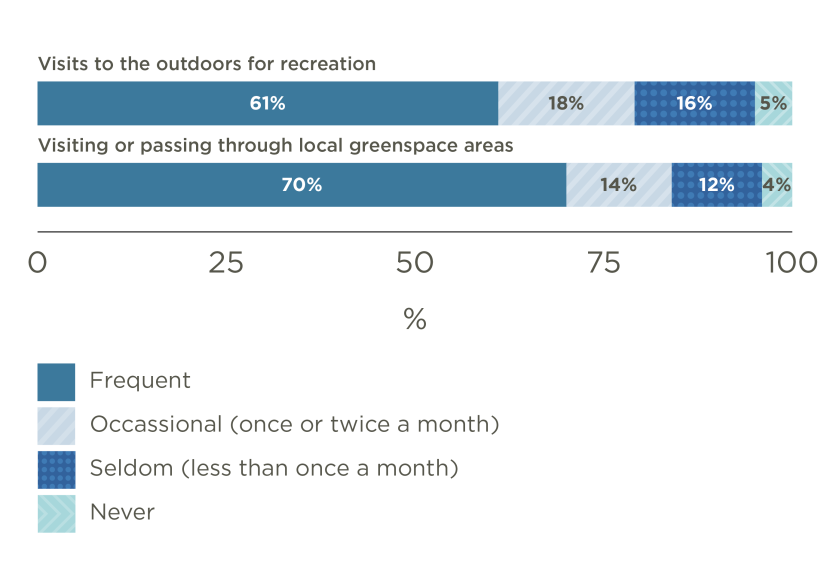
Figure 5. Frequency of visits to outdoor places
Click for a full description
REC 1 - How often on average have you taken visits to the outdoors for leisure and recreation in Scotland in the last 12 months?
Base: All respondents (n=12,053).
GREEN1: In the last 12 months, how often on average have you visited or passed through your local greenspace areas? Base: Respondents surveyed in May, August, November 2023 or February 2024 (n=4,020)
Bar chart illustrating percentages of population with different levels of agreement in relation to the statement “Helped me to feel closer to nature.”
Bars are orientated vertically, ranked from “disagree strongly on the left” to “agree strongly” on the right.
The data are summarised in the following table:
| Level of agreement/ disagreement | Percentage of population |
|---|---|
| Disagree strongly | 0% |
| Disagree slightly | 3% |
| Neither agree nor disagree | 16% |
| Agree slightly | 37% |
| Agree strongly | 43% |
Pro-nature behaviours
People who spend the most time taking part in outdoor recreation are the most concerned about the effects of climate change and biodiversity loss
Respondents were asked to rate the extent to which they agreed or disagreed with the series of statements relating to how engaged they felt with environmental issues in Scotland. Responses suggested that the majority of the population have some level of concern about both the effects of climate change on Scotland’s natural environment and the loss of Scottish native animals and plants, as Figure 6 shows.
Overall, around 42% agreed strongly that they felt concerned about the effects of climate change on Scotland’s natural environment. This percentage was highest amongst residents of the 10% least deprived areas (46% versus 37% in 10% most deprived areas) and members of the ABC1 social grades (45% versus 37% of C2DEs).
A lower percentage (35%) agreed strongly that they were concerned about the loss of Scottish native animals and plants. This level of concern was fairly consistent across the population as a whole.
Only around half of the population agreed that they felt well informed about the key issues affecting Scotland’s natural environment with just 13% agreeing strongly with this statement. A significant percentage disagreed (20%) or neither agreed nor disagreed (26%) suggesting opportunities to increase levels of knowledge on this area.
Notably, levels of agreement with each of these statements was higher amongst those who visited the outdoors for recreation most frequently:
- Concerned about effects of climate change – 79% of those who visit the outdoors at least once a week versus 72% who visit less often or never.
- Concerned about loss of Scottish native animals and plants – 80% of those who visit the outdoors at least once a week versus 69% who visit less often or never visit.
- Feel well informed about the key issues affecting Scotland’s natural environment - 58% of those who visit the outdoors at least once a week versus 42% who visit less often or never visit.
The higher levels of concern amongst those who visit the outdoors most often, especially in relation to the loss of native animals and plants, may be influenced by these experiences enjoying and appreciating nature.
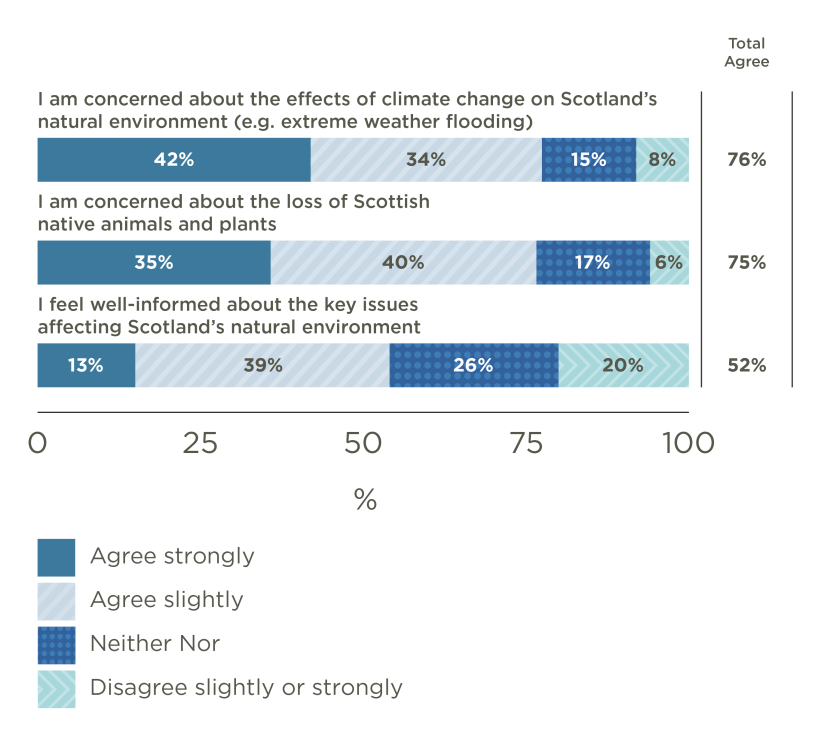
Figure 6. Attitudes relating to the natural environment
Click for a full description
ENVIR2. Please indicate the extent to which you agree or disagree with each of the following statements.
Base: All respondents surveyed in July 2023 (n=1,005). Demographic weight applied.
Stacked bar chart showing levels of agreement with a series of statements which relate to the natural environment.
Bars are oriented horizontally from the statement which the largest percentage agreed with to the statement which the smallest percentage agreed with.
Each horizontal bar contains 4 coloured sections to illustrate the percentages agreeing strongly (dark blue), agreeing slightly (light blue), neither agreeing nor disagreeing (very light blue) or disagreeing (light grey).
The total figures for any agreement with each statement are also included to the right of the chart.
The data are summarised in the following table:
| Level of agreement/ disagreement | I feel well-informed about the key issues affecting Scotland's natural environment | I am concerned about the loss of Scottish native animals and plants | I am concerned about the effects of climate change on Scotland's natural environment (e.g. extreme weather, flooding) |
|---|---|---|---|
| Agree strongly | 13% | 35% | 42% |
| Agree slightly | 39% | 40% | 34% |
| Neither Nor | 26% | 17% | 15% |
| Disagree slightly or strongly | 20% | 6% | 8% |
Respondents were asked how often, if at all they undertook a range of pro-nature actions, as shown in Figure 7.
The activities most likely to be undertaken often or very often were voting for political parties with strong pro-nature policies (19% often or very often, 52% ever) and talking to other people about the importance of protecting the natural environment (16% often or very often, 68% ever) while fewer than 1 in 20 volunteered for a conservation organisation at this level of frequency (4% often or very often, 37% ever),
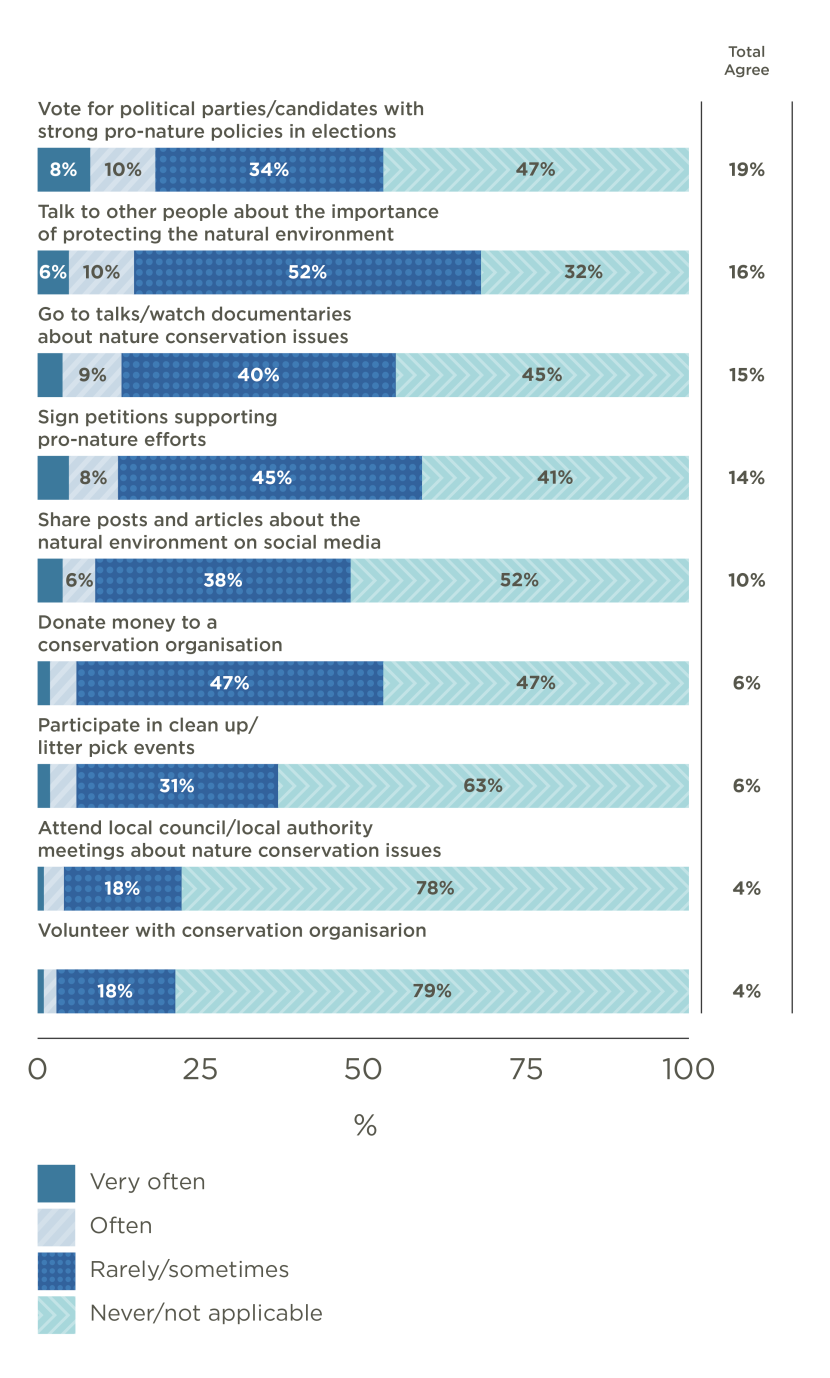
Figure 7. Participation in pro-nature actions
Click for a full description
EVIR4. How often if at all do you do the following?
Base: All respondents surveyed in July 2023 (n=1,005). Demographic weight applied.
Stacked bar chart showing frequency of participation in a series of pro- nature actions.
Bars are oriented horizontally from the action which the largest percentage participate in often to that which the smallest percentage participate in often.
Each horizontal bar contains 4 coloured sections to illustrate the percentages participating very often (dark blue), often (light blue), rarely/sometimes (very light blue) and never (light grey).
The percentages taking part in each action very often or often are also included in a table to the right of the chart.
The data are summarised in the following table:
| Frequency of participation | Volunteer with a conservation organisation | Attend local council/ local authority meetings about nature conservation issues | Participate in clean up/ litter pick events | Donate money to a conservation organisation | Share posts and articles about the natural environment on social media | Sign petitions supporting pro-nature efforts | Go to talks/ watch documentaries about nature conservation issues | Talk to other people about the importance of protecting the natural environment | Vote for political parties/ candidate with strong pro-nature policies in elections |
|---|---|---|---|---|---|---|---|---|---|
| Very Often | 1% | 1% | 2% | 2% | 4% | 6% | 5% | 6% | 8% |
| Often | 2% | 3% | 4% | 4% | 6% | 8% | 9% | 10% | 10% |
| Rarely/ Sometimes | 18% | 18% | 31% | 47% | 38% | 45% | 40% | 52% | 34% |
| Never/ Not applicable | 79% | 78% | 63% | 47% | 52% | 41% | 45% | 32% | 47% |
Overall, just over a third stated that they undertook any of the activities listed in Figure 8 below ‘often’ or ‘very often’ (37%). Groups more likely to state that this was the case included those aged 16-34 (44%), residents of the 10% least deprived areas (44%) and dog owners (44%).
As shown in Table 3, regular participation in any of these pro-nature activities was also much higher amongst those who agreed strongly that they were concerned about the impacts of climate change and/or biodiversity loss in Scotland.
However, it is notable that levels of action taken amongst those who had agreed slightly were much lower. These variations suggest a ‘gap’ between levels of concern and levels of action in relation to taking action to protect nature.
Regular participation in these pro-nature activities was also somewhat higher amongst those with the highest levels of nature connection as measured using the Nature Connection Index (NCI). Further details on NCI are provided in the next section.
| - | % Often or very often participating in pro-nature actions |
|---|---|
| Total population | 37% |
| I am concerned about the effects of climate change on Scotland’s natural environment |
|
| Agree strongly | 57% |
| Agree slightly | 25% |
| Neither agree nor disagree | 19% |
| Disagree slightly or strongly | 21% |
| I am concerned about the loss of Scottish native animals and plants |
|
| Agree strongly | 60% |
| Agree slightly | 28% |
| Neither agree nor disagree | 17% |
| Disagree slightly or strongly | 25% |
| Level of nature connection |
|
| Highest quartile NCI (81-100) | 61% |
| 3rd quartile NCI (56-83) | 45% |
| 2nd quartile NCI (35-55) | 36% |
| Lowest quartile NCI (0-34) | 14% |
Measuring levels of Nature Connection
Nature connection is highest amongst those who enjoy the most time outdoors for recreation
The Nature Connection Index (NCI) is a tool developed by Natural England and a number of other partner organisations to measure the extent to which individuals feel connected to nature. It was designed as part of a broader effort to understand and promote the benefits of nature connection for mental health, well-being, and environmental behaviour.
The NCI is based on research that links a strong connection to nature with positive outcomes such as increased happiness, life satisfaction, and a greater likelihood of engaging in pro-environmental behaviours. By providing a standardised way to assess this connection, the NCI helps to inform public health strategies, educational programs, and conservation efforts aimed at fostering a deeper bond between people and the natural world. For further details, see Richardson et al 2019.
A question was included in SPANS to allow respondents to be classified using the NCI on the basis of their responses to the following set of attitude statements. Answers were provided on a 7-point scale from ‘Completely disagree’ to ‘Completely agree’.
How much do you agree or disagree with the following:
- I always find beauty in nature
- I always treat nature with respect
- Being in nature makes me very happy
- Spending time in nature is very important to me
- I find being in nature really amazing
- I feel part of nature
Responses to these questions were then converted to the NCI index using a points-based index system. Further details on the approach and how to interpret the results are available here.
Over the full 12-month period, across the whole Scottish adult population the overall average NCI recorded was 59. To support further analysis, respondents were divided into 4 equally sized quartiles based on their NCI.
As shown in Figure 8 the average NCI was higher amongst those who visited the outdoors more often with the most frequent outdoor visitors significantly more likely to classified as having the highest levels of nature connection.
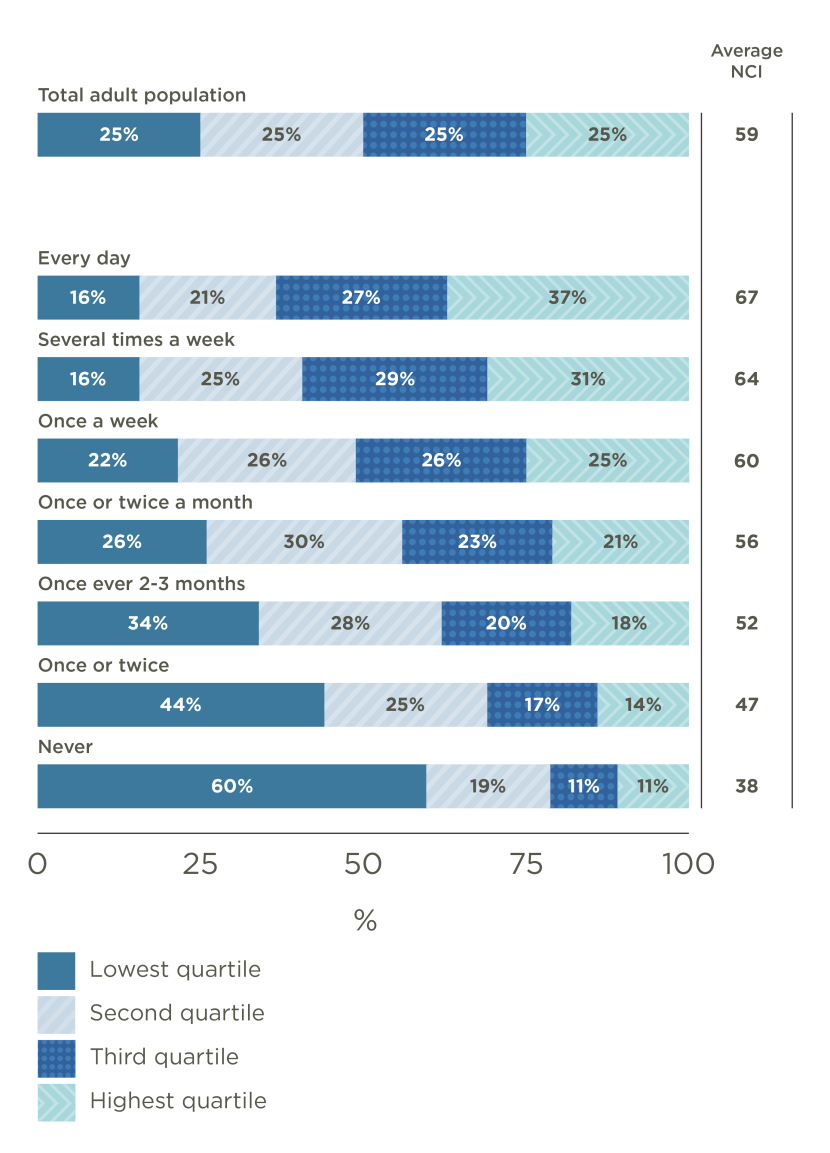
Figure 8. Nature Connection Index by frequency of outdoor recreation visits
Click for a full description
Base: All respondents (n=12,053). Demographic weight applied
Stacked bar chart showing percentages of population in each NCI quartile from the lowest quartile on left to highest on right.
Results are shown for total population and by frequency of visits to the outdoors from daily to non-participants.
Bars are oriented horizontally and split into four coloured bands – light grey for lowest quartile, dark grey for 2nd quartile, light blue for 3rd quartile and dark blue for highest quartile.
The average NCI for each of these groups is also provided in a table to the right of the chart.
The data are summarised in the following table:
| NCI quartile | Total adult population | Every day | Several times a week | Once a week | Once or twice a month | Once every 2-3 months | Once or twice | Never |
|---|---|---|---|---|---|---|---|---|
| Lowest quartile - 0 to 34 | 25% | 16% | 16% | 22% | 26% | 34% | 44% | 60% |
| Second quartile - 35 to 48 | 25% | 21% | 25% | 26% | 30% | 28% | 25% | 19% |
| Third quartile - 61 to 78 | 25% | 27% | 29% | 26% | 23% | 20% | 17% | 11% |
| Highest quartile - 84 to 100 | 25% | 37% | 31% | 25% | 21% | 18% | 14% | 11% |
| Average NCI | 59 | 67 | 64 | 60 | 56 | 52 | 47 | 38 |
An analysis of NCI on the basis of frequency of visits to local greenspaces and woodland shows similar patterns, with above average levels amongst those who visited at least once a week (63 amongst frequent greenspace users and 66 amongst frequent woodland users). Those who had visited one of Scotland’s National Parks in the previous month also had a higher than average NCI (65).
These results suggest that both the frequency of outdoor visits and types of places visited are likely to be influential on an individual’s level of nature connection.
Nature connection levels vary across the population with the lowest levels amongst those who report lower health and wellbeing levels
As shown in Figure 9, average NCI levels also varied to some extent by demographic group, health status and place of residence.
While these variations were relatively small in terms of age, social grade and place of residence (both SIMD and urban/rural), the variations between those with higher and lower levels of health and wellbeing were greater. This variation may be due to those with the lowest levels of health and wellbeing having the fewest opportunities to spend time in nature and gain the potential nature connection benefits.
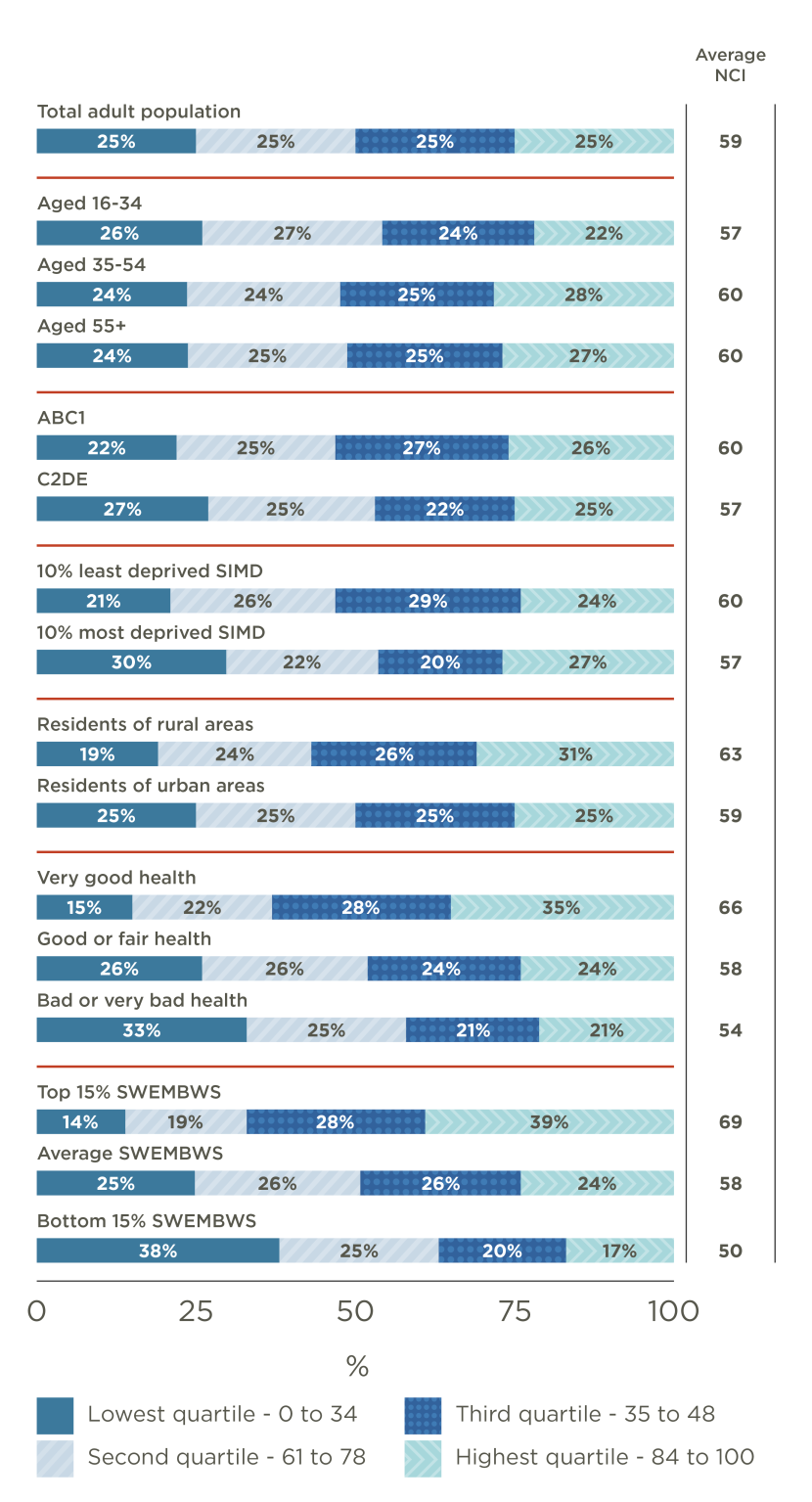
Figure 9. Nature Connection Index by key demographic groups
Click for a full description
Base: All respondents (n=12,053). Demographic weight applied
Stacked bar chart showing percentages of population in each NCI quartile from the lowest quartile on left to highest on right.
Results are shown for total population and by for key demographic groups.
Bars are oriented horizontally and split into four coloured bands – light grey for lowest quartile, dark grey for 2nd quartile, light blue for 3rd quartile and dark blue for highest quartile.
The average NCI for each of these groups is also provided in a table to the right of the chart.
The data are summarised in the following table:
| Row % | Lowest quartile - 0 to 34 | Second quartile - 35 to 48 | Third quartile - 61 to 78 | Highest quartile - 84 to 100 | Average NCI |
|---|---|---|---|---|---|
| Total adult population | 25% | 25% | 25% | 25% | 59 |
| Aged 16-34 | 26% | 27% | 24% | 22% | 57 |
| Aged 35-54 | 24% | 24% | 25% | 28% | 60 |
| Aged 55+ | 24% | 25% | 25% | 27% | 60 |
| ABC1 | 22% | 25% | 27% | 26% | 60 |
| C2DE | 27% | 25% | 22% | 25% | 57 |
| 10% least deprived SIMD | 21% | 26% | 29% | 24% | 60 |
| 10% most deprived SIMD | 30% | 22% | 20% | 27% | 57 |
| Residents of rural areas | 19% | 24% | 26% | 31% | 63 |
| Residents of urban areas | 25% | 25% | 25% | 25% | 59 |
| Very good health | 15% | 22% | 28% | 35% | 66 |
| Good or fair health | 26% | 26% | 24% | 24% | 58 |
| Bad or very bad health | 33% | 25% | 21% | 21% | 54 |
| Top 15% SWEMBWS | 14% | 19% | 28% | 39% | 69 |
| Average SWEMBWS | 25% | 26% | 26% | 24% | 58 |
| Bottom 15% SWEMBWS | 38% | 25% | 20% | 17% | 50 |
Levels of nature connection are closely correlated to levels of concern about climate change and biodiversity loss
As shown in Figure 10, those who agreed strongly that they were concerned about the effects of climate change on Scotland’s natural environment and those who agreed strongly that they were concerned about the loss of Scottish native and plants and animals also had the highest levels of nature connection. This result illustrates the importance of nature connection and its potential influence on the population’s levels of concerns and propensity to take action to protect the environment.
As described previously, those who agreed strongly with these statements were also somewhat more likely to take action to protect nature (see Table 3), this suggests a pathway from nature connection to increased concern and greater propensity to take part in pro-nature activities.
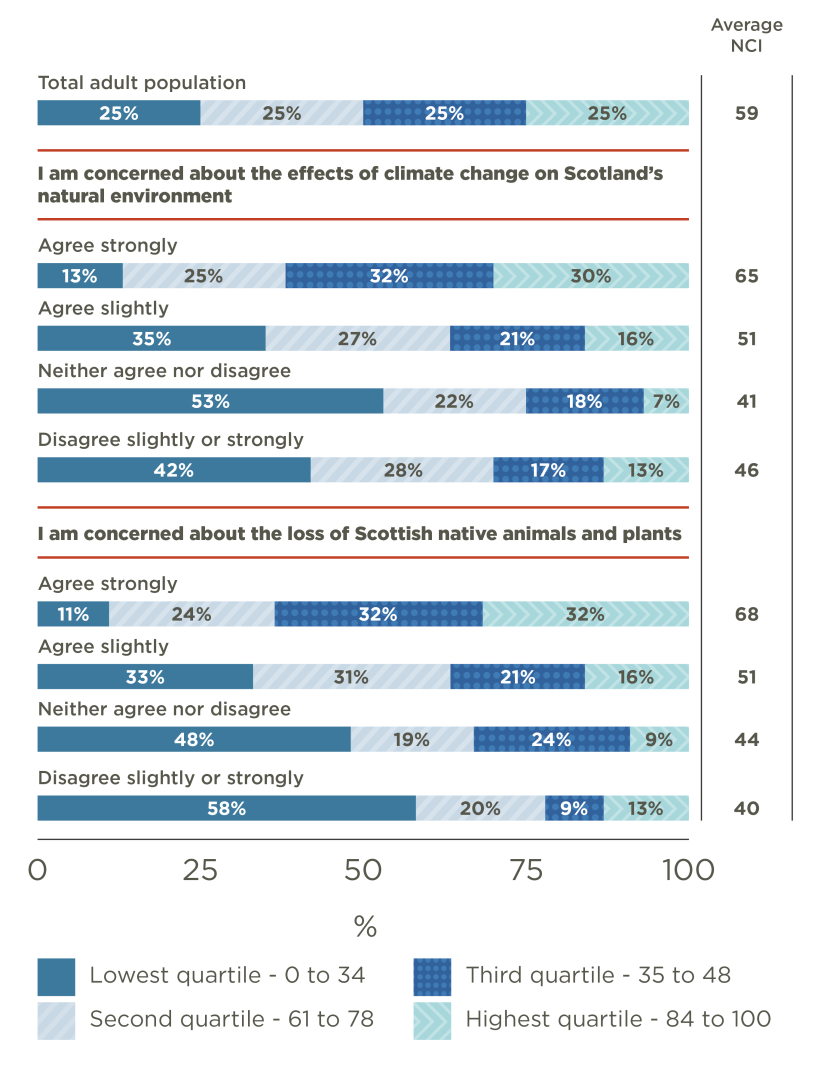
Figure 10. Nature Connection Index by level of environmental concern
Click for a full description
Stacked bar chart showing percentages of population in each NCI quartile from the lowest quartile on left to highest on right.
Results are shown for total population and by levels of agreement with 2 statements which relate to levels of concern over the effects of climate and biodiversity loss in Scotland.
Bars are oriented horizontally and split into four coloured bands – light grey for lowest quartile, dark grey for 2nd quartile, light blue for 3rd quartile and dark blue for highest quartile.
The average NCI for each of these groups is also provided in a table to the right of the chart.
The data are summarised in the following table:
I am concerned about the effects of climate change on Scotland’s natural environment
| Row % | Lowest quartile - 0 to 34 | Second quartile - 35 to 48 | Third quartile - 61 to 78 | Highest quartile - 84 to 100 | Average NCI |
|---|---|---|---|---|---|
| Total adult population | 25% | 25% | 25% | 25% | 59 |
| Agree strongly | 13% | 25% | 32% | 30% | 65 |
| Agree slightly | 35% | 27% | 21% | 16% | 51 |
| Neither agree nor disagree | 53% | 22% | 18% | 7% | 41 |
| Disagree slightly or strongly | 42% | 28% | 17% | 13% | 46 |
I am concerned about the loss of Scottish native animals and plants
| Row % | Lowest quartile - 0 to 34 | Second quartile - 35 to 48 | Third quartile - 61 to 78 | Highest quartile - 84 to 100 | Average NCI |
|---|---|---|---|---|---|
| Total adult population | 25% | 25% | 25% | 25% | 59 |
| Agree strongly | 11% | 24% | 32% | 32% | 68 |
| Agree slightly | 33% | 31% | 21% | 16% | 51 |
| Neither agree nor disagree | 48% | 19% | 24% | 9% | 44 |
| Disagree slightly or strongly | 58% | 20% | 9% | 13% | 40 |